Source White Talc Powder for Paint, Coating, and Rubber
Find 30 verified white talc powder for paint options from Chinese manufacturers. Compare specifications including mesh size, purity, and certifications to select the right industrial grade material for your coating and plastic applications; compare the available evidence and request quotations based on your requirements.
Key considerations
Products List




Comprehensive Sourcing Guide
White Talc Powder for Paint Sourcing Guide
Procuring white talc powder for paint formulations requires a precise understanding of how mineral fillers interact with resin systems to enhance durability and finish quality. Buyers must distinguish between generic industrial grades and specialized cosmetic or high-performance variants, as the latter often command different pricing and stricter purity thresholds. The observed market data indicates a wide price spectrum, suggesting that specifications like whiteness and mesh size are primary drivers of cost rather than the base material itself.
Sourcing decisions should prioritize suppliers who explicitly list customization capabilities alongside standard industrial certifications. Since the product origin is predominantly China, buyers need to account for logistics variables while verifying that the supplier can meet specific paint application requirements such as oil absorption and pH stability. A robust supplier relationship ensures consistent supply of materials that maintain the rheological properties essential for high-quality coating performance.
Product Scope and Observed Listing Signals
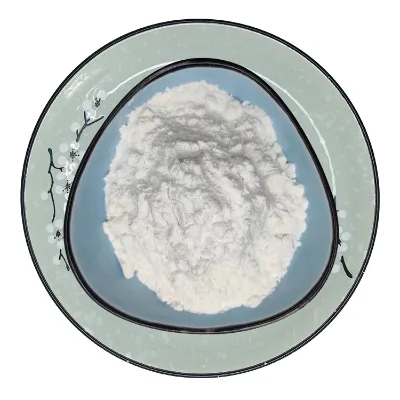
The available product listings reveal a diverse range of talc powder models, including specific identifiers like XM-TA858 and HZ-TLCA, which cater to different industrial needs. These products are consistently described as white powders with whiteness levels ranging from 85% to 99%, a critical attribute for maintaining the aesthetic integrity of paint and coating applications. The mesh size varies significantly from 200 to 3000, allowing buyers to select the exact particle size distribution required for specific paint viscosities and surface finishes.
Listing signals also highlight variations in chemical composition, with silica content typically between 50% and 60% and magnesia oxide ranging from 25% to 30%. Buyers should note that while some listings specify a moisture content of less than 0.5%, others provide a loss on ignition range of 4.5% to 6%, indicating different processing standards. Understanding these specific listing signals helps in filtering out products that may not meet the rigorous demands of modern paint manufacturing processes.
Technical Specifications to Verify
Technical verification must begin with the particle size distribution, as the mesh range of 200 to 3000 directly impacts the smoothness and opacity of the final paint film. Buyers should request detailed sieve analysis reports to ensure the powder aligns with the specific rheological requirements of their coating formulation, particularly for applications in rubber, plastics, and ceramics where filler loading is critical. The oil absorption value, often cited around 0.5g/100g, is another key parameter that influences the amount of binder required in the paint mix.
Chemical stability is equally vital, with pH values typically falling between 7 and 9 and water solubility kept below 0.1%. These parameters ensure the talc does not react adversely with other paint components or degrade over time. Additionally, the absence of asbestos, confirmed as 0 in several listings, is a non-negotiable safety standard for any powder intended for use in consumer-facing paint products. Verifying these specific chemical and physical traits prevents formulation failures and ensures product longevity.
Compliance and Safety Documentation
Compliance documentation is a prerequisite for sourcing talc powder, with ISO and RoHS certifications appearing frequently in the supply chain. These certifications indicate that the supplier adheres to international quality management systems and restrictions on hazardous substances, which is essential for exporting paint products to regulated markets. Buyers must verify that the specific batch of talc powder carries valid certificates of analysis (COA) that match the claimed purity and chemical composition.
Safety data sheets (SDS) must be reviewed to confirm the material is free from asbestos and meets all occupational health standards. The listed whiteness and purity levels, often exceeding 99%, should be backed by independent laboratory test results rather than just supplier assertions. Ensuring that the documentation covers the entire supply chain, from the mine origin in China to the final packaging, mitigates the risk of regulatory non-compliance and potential product recalls in the paint industry.
Cost Drivers and Commercial Terms
Cost drivers in the talc powder market are heavily influenced by the degree of customization and the specific grade standard required. While industrial grade is the baseline, higher whiteness percentages and finer mesh sizes often increase the unit price, contributing to the observed range of 0.13 to 650 USD. Buyers should analyze whether the cost premium for cosmetic-grade talc is justified by the end-use application, as standard industrial grades may suffice for certain heavy-duty coatings.
Commercial terms such as minimum order quantity (MOQ) and lead times vary significantly, with some suppliers offering MOQs as low as 1kg while others require up to 1000 units. Delivery times typically range from 4 to 15 days, but these figures can fluctuate based on production capacity and shipping logistics. Understanding these commercial variables allows buyers to optimize inventory levels and manage cash flow effectively while securing a reliable supply of raw materials for their paint production lines.
Supplier Qualification and Quality Control
Supplier qualification should focus on the ability to provide consistent product specifications across multiple batches, as variations in moisture content or whiteness can disrupt paint manufacturing. Buyers should assess the supplier's quality control protocols, including their adherence to standards like Talc powder and Talcum Powder specifications, to ensure the material meets the rigorous demands of the industry. The availability of customized packing options, such as 25kg woven bags or plastic-lined containers, also reflects a supplier's flexibility and attention to detail.
Quality control extends to the verification of physical attributes like shape and color, which must remain consistent with the white powder description. Suppliers who offer detailed specifications for loss on ignition and water solubility demonstrate a higher level of transparency and technical competence. Establishing a relationship with a supplier who can provide regular third-party testing results ensures that the talc powder remains a reliable component in the complex chemistry of paint formulations.
Long-Term Procurement Checks
Long-term procurement success depends on establishing a stable supply chain that can adapt to changing market demands and regulatory landscapes. Buyers should regularly audit their suppliers to ensure continued compliance with ISO and RoHS standards, as these certifications may be updated or require renewal. Maintaining open communication channels regarding production schedules and potential supply disruptions helps in mitigating risks associated with lead times and delivery delays.
Continuous monitoring of product performance in the final paint application is essential to validate the supplier's claims regarding purity and chemical stability. Buyers should track metrics such as oil absorption and pH consistency over time to detect any subtle shifts in material quality that could affect the end product. By integrating these long-term checks into the procurement strategy, organizations can ensure a sustainable and high-quality supply of white talc powder for their paint operations.
FAQs
What is the purity level of white talc powder for paint?
The purity level is typically 99% or higher. This high-grade material ensures consistent performance in coatings. It meets industrial standards for use in paints and varnishes. The powder is free from asbestos and has low moisture content. This quality supports better dispersion and stability in final paint formulations.
Can white talc powder for paint be customized for specific needs?
Yes, customization is available for various industrial applications. Buyers can request specific mesh sizes ranging from 200 to 3000. Packaging options include woven bags or customized solutions. This flexibility allows manufacturers to tailor the product to their exact production requirements and supply chain logistics.
Which certifications are provided for white talc powder for paint?
Products typically come with ISO and RoHS certifications. These documents verify compliance with international quality and safety standards. A Certificate of Analysis (COA) is also provided. These certifications ensure the material is safe for use in various industries, including automotive and construction coatings.
How is white talc powder for paint packaged and shipped?
The powder is packaged in 25kg woven bags or plastic woven bags. Some suppliers offer 50kg bag options for bulk orders. The standard delivery time is between 4 to 15 days. This efficient shipping process ensures timely delivery for manufacturing schedules and inventory management needs.
What is the minimum order quantity for white talc powder for paint?
The minimum order quantity ranges from 1kg to 1000 units. This flexible MOQ allows small buyers to test samples easily. Larger orders can secure better pricing and logistics efficiency. The low entry barrier supports both trial purchases and large-scale industrial procurement needs.
What is the whiteness range of white talc powder for paint?
The whiteness typically ranges from 85% to 99%. This bright appearance is crucial for aesthetic applications in paints. The powder maintains its color stability under various conditions. High whiteness ensures that the filler does not alter the desired hue of the final coating product.